Hog Hunting Trips Texas: WHat to Know and Pack Before You Go
Booking the hunting trip is the easy part. People are often caught off guard by everything that happens between clicking "confirm" and actually standing on the property, including what to pack, when to arrive, how much time to hunt, and what the situation will actually demand from you.
Once you know what to expect in advance, the majority of hog hunting trips, Texas hunters' schedules go well. Small planning errors, rather than anything related to the hunt itself, are typically the source of the surprises. The steps in the process that are frequently missed between making a reservation and getting on the ground are covered in this guide.
How Far in Advance Should You Book?
More than most first-timers realize, timing your reservation is important. There isn't a single "best" window because hog season in Texas is year-round, but this flexibility can also make it simple to put off planning until it's urgent.
Before finalizing a date, consider the following:
-
Particularly at well-known properties, weekends and holidays fill up more quickly.
-
Seasonal variations in weather have an impact on hog activity and comfort.
-
Due to the longer scheduling process, group trips require more advance notice.
-
Typically, scheduling a few weeks in advance allows you to prepare equipment without rushing.
You are not required to give months' notice. However, the entire process feels much less last-minute if you give yourself even a few weeks between booking and departure.
What Should You Pack for a Texas Hunting Trip?
Packing lists quickly become generic, so instead of copying a checklist verbatim, consider what the trip actually requires. Depending on the season, Texas hog hunting trips may involve mud, brush, heat, or cold snaps; your gear bag should reflect this.
Most hunters ultimately require, at the very least:
-
Wearing well-layered clothing is important because temperatures can change suddenly in a single day.
-
Broken-in boots, as blisters can ruin a trip more quickly than inclement weather
-
A layer of rain gear that is suitable for the weather, even if the forecast appears clear
-
Basic first aid supplies, particularly if you're traveling to a remote location
-
Batteries, chargers, or backup power for phones and optical devices
It's simple to underpack for the real conditions and overpack for comfort. A day or two before you depart, a brief glance at the week's forecast typically resolves more issues than a lengthy gear list.
Getting There: Travel and Arrival Logistics
Travel time may take up more of your first day than you expected, depending on where you're coming from. Cell service can become inconsistent the closer you get to rural properties, which are frequently located far outside of city limits.
A few minor routines facilitate a more seamless arrival:
-
Before you lose signal, download the directions for offline use.
-
Fuel up prior to the final stretch of road, as gas stations quickly run out
-
Arriving early in the day, particularly when visiting a property for the first time
-
Verifying check-in information the day prior, rather than the morning of
All of this is simple, but skipping it is precisely how a promising trip begins with tension rather than calm.
How Much Time Should You Set Aside for the Hunt?
Expectations trip people up the most in this situation. It is rare for a hunt to conclude on time, and treating it as such usually results in frustration.
Give yourself more space than you think you need:
-
Include buffer time both before and after the actual hunt, not just during the hunting window.
-
Don't make any last-minute plans on either side of the trip.
-
Be prepared for slower mornings and evenings, particularly if circumstances change the schedule.
-
Travel days should be viewed as an integral part of the trip rather than as a separate entity.
It usually works against you to rush a hunt in order to fit it into a busy schedule. Your plans shouldn't be on a timer, just as hogs don't.
The Mental Side Nobody Talks About
Pacing yourself mentally is a more subdued aspect of planning that seldom appears on checklists, aside from equipment and logistics. Long stretches of silence, erratic weather, and quiet results are all part of the experience, and by midday, expectations of constant action are typically dashed.
The hunters who most enjoy these excursions typically view the slow portions as a part of the journey rather than something to endure. A peaceful morning isn't a waste of time; rather, it's a necessary component of these journeys.
Getting Ready for a Memorable Hunt
Although it doesn't ensure a flawless trip, careful planning eliminates a lot of the stress that isn't related to the hunt itself. A smoother experience can be achieved by making reservations well in advance, packing for the actual conditions, and having reasonable expectations about the pace.
The most successful hunting trips in Texas are typically those that are meticulously planned rather than hurriedly organized at the last minute.
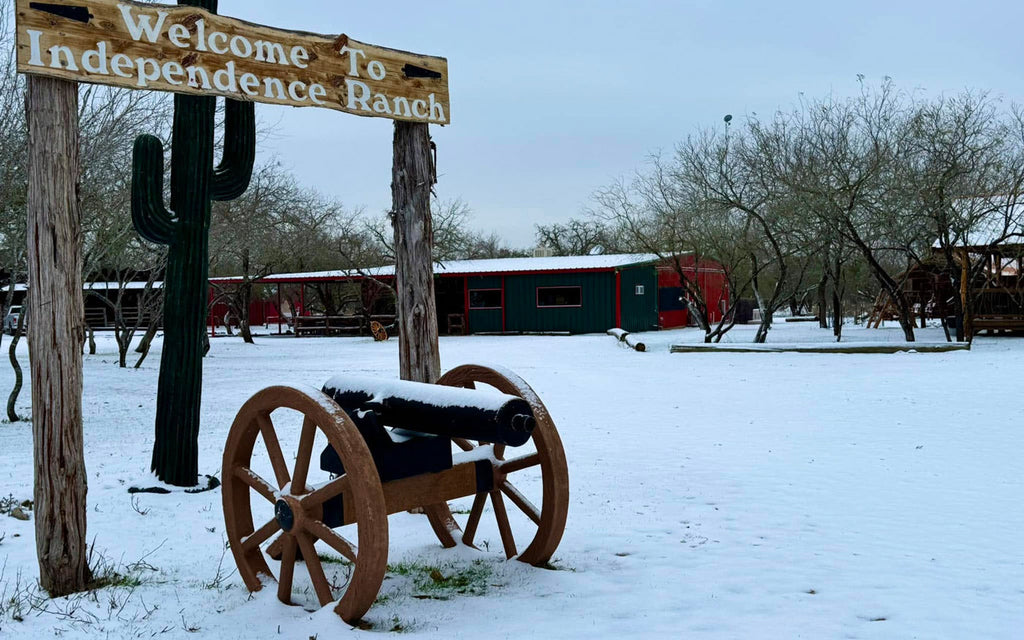
To keep the trip focused on the hunt rather than logistics, Independence Ranch works with hunters by planning and walking through timing, gear, and what to expect well before anyone sets foot on the property.
Related post
RECENT POSTS