Wild Boar Hunt Texas: A Guide to Terrain, Tactics, and Timing
Texas is known for its diverse hunting terrain, and this variety plays a huge role in boar hunting. The same animal can behave completely differently depending on the weather conditions.
Understanding how different terrain and conditions change hog behaviour is one of the biggest differences between a successful hunt and a flop hunt. Planning a wild boar hunt Texas style means considering every possibility that might happen during a hunt.
How Does Terrain Shape Wild Boar Movements?
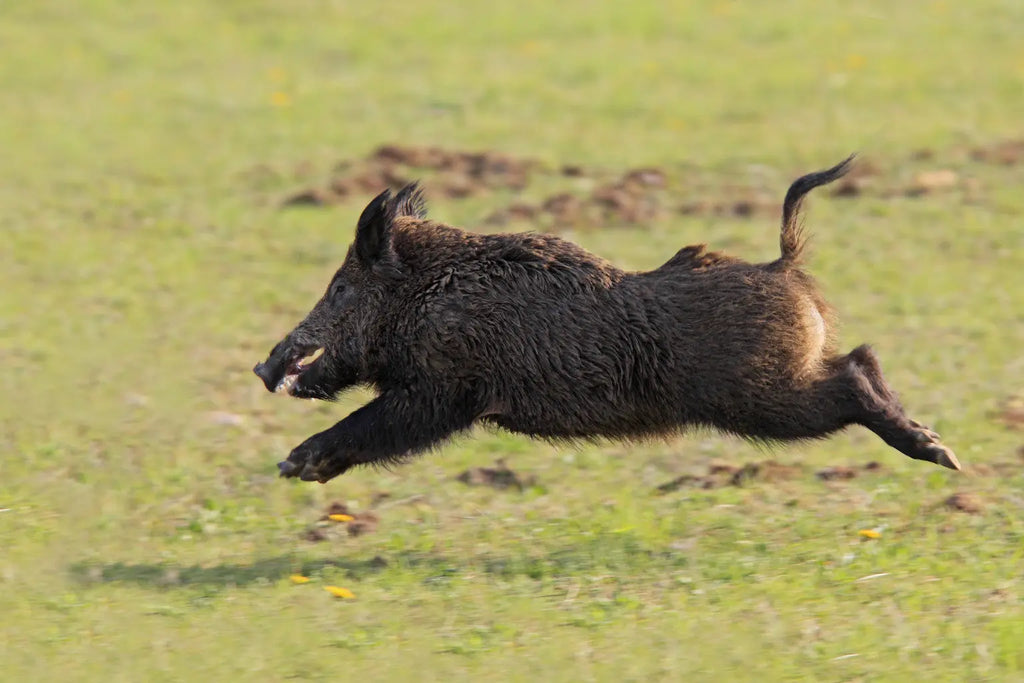
Boars are animals that develop habits, and those habits change depending on the landscape and weather they live in. During the day, hogs tend to hide near thick bushes and heavy cover for shade and security. Boars are usually active in open land and terrain only in the early morning or at night.
Areas near water bodies are most likely to have hogs, as hogs rely heavily on water and mud for drinking and staying cool. So these areas are most likely to have signs of hog trails.
A few terrain features worth paying attention to:
-
Hogs use dense bushes to travel
-
Muddy areas near ponds and seasonal water bodies
-
Field edges where crops meet tree lines
-
High grounds where boars rest during the day
What Boar Activity Looks Like
Before deciding on any hunting approach, you need to know what you are looking for on the ground. While hunting wild boar, you need to know what signs you have to look for in order to make your hunt successful.
Common signs to look for include:
-
Freshly dug up ground and rooting near fields
-
Look for muddy areas near water bodies as hogs use them to cool down
-
Marks or mud on trees, which are used to remove mud and parasites
-
Trails made by hogs due to repeated travel
Fresh signs usually include damp or dark soil, sharp footprints, and uprooted ground. Older signs are usually dried out, but you can still use them to find the trace of hogs.
When Is the Best Time of Day to Hunt Boar?
Location is important, but so is timing. Boars are naturally cautious animals, and the time of year, temperature, and hunting pressure all affect when they are active.
In general:
-
The most dependable hunting times are typically found in the early morning and late evening, particularly during the warmer months.
-
As temperatures rise and boars switch to nocturnal feeding, overnight hunts become more fruitful.
-
In colder climates or on properties with less hunting pressure, midday activity is more common.
Boars feel less exposed when visibility is poor, so cloud cover and light rain can also extend daytime activity.
Adjusting Tactics By Season
Boar behavior varies throughout the year, so strategies that are effective in one season may not be in another.
-
Cooler months: The spot-and-stalk approach is more successful because boars move more freely during the day.
-
Warmer months: Thermal optics and night vision setups typically yield better results because activity shifts almost to the night.
-
Rainy Season: Fresh mud Tracks are formed, but as more water sources become available, it may also disperse boar movement over a larger area.
If you want consistent results, you must adapt your strategy according to the season; this is a part of observing the land like you would observe the animal.
Common Mistakes That Slow Down the Hunters
On boar hunts, even experienced hunters encounter preventable setbacks, typically due to hurrying the process rather than thoroughly inspecting the area.
Some of the most typical ones are:
-
Setting up too near a feeder or wallow, frightening hogs even before they come near
-
Not considering the wind direction, even when everything else appears to be in order
-
Overcommitting to daytime hunts during warmer months, when activity has already shifted to nighttime
The majority of these require patience. Boars are habitual animals, but it takes time to notice and confirm their habits. Hunters lose out on more opportunities when they move too quickly, whether it's by changing setups too frequently or writing off a good spot too soon.
What Gear Changes With the Terrain?
There is no fixed equipment for boar hunts. Depending on where and when you're hunting, it changes.
-
Shorter-range optics and closer, quieter approaches are necessary in thick brush country.
-
Longer-range setups and greater patience are preferred over distance in open lands.
-
Thermal or night vision equipment, as well as generally quieter movement, are necessary for night hunts.
-
Boots and equipment designed to withstand standing water and soft ground are necessary on wet or muddy terrain.
It's not just about comfort when you match your setup to the terrain; it directly affects how close you can get and how many signs you can see along the way.
Experience the Best Hunt
Hunters who focus on more than just location always end up with successful wild boar hunts in Texas. Boar movement is influenced by a variety of factors, including terrain, weather, and timing. Over time, your hunting skills will become more reliable if you can recognize these patterns.
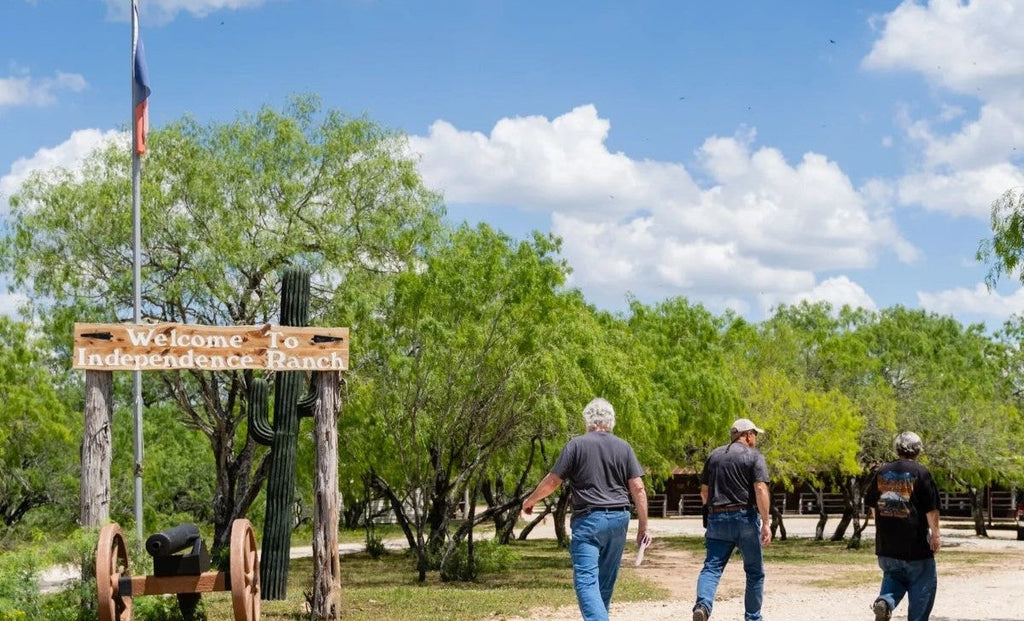
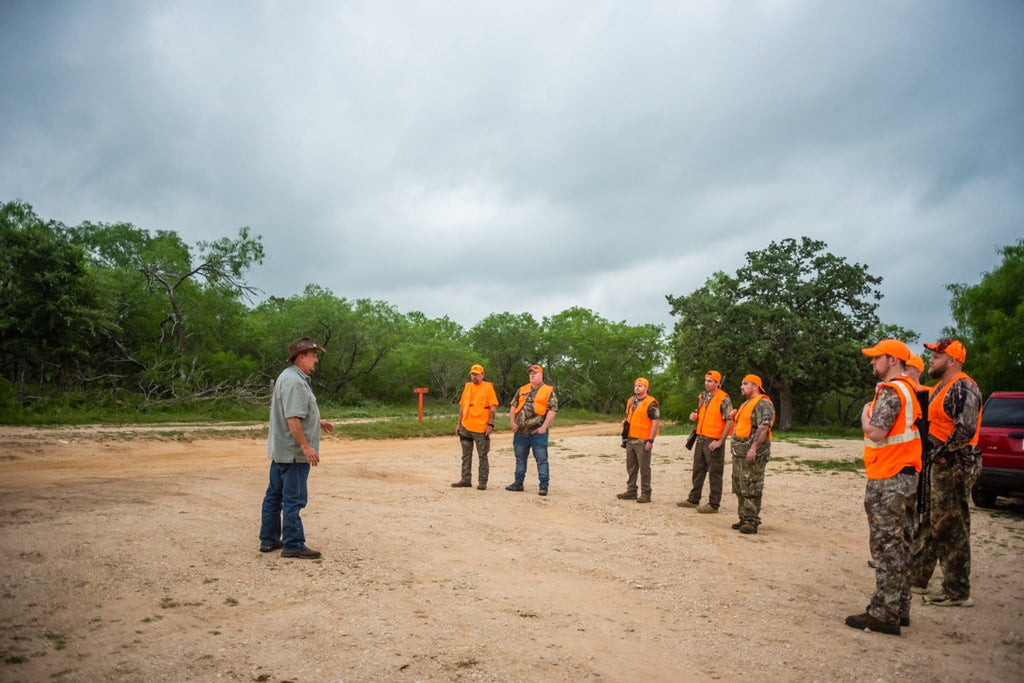
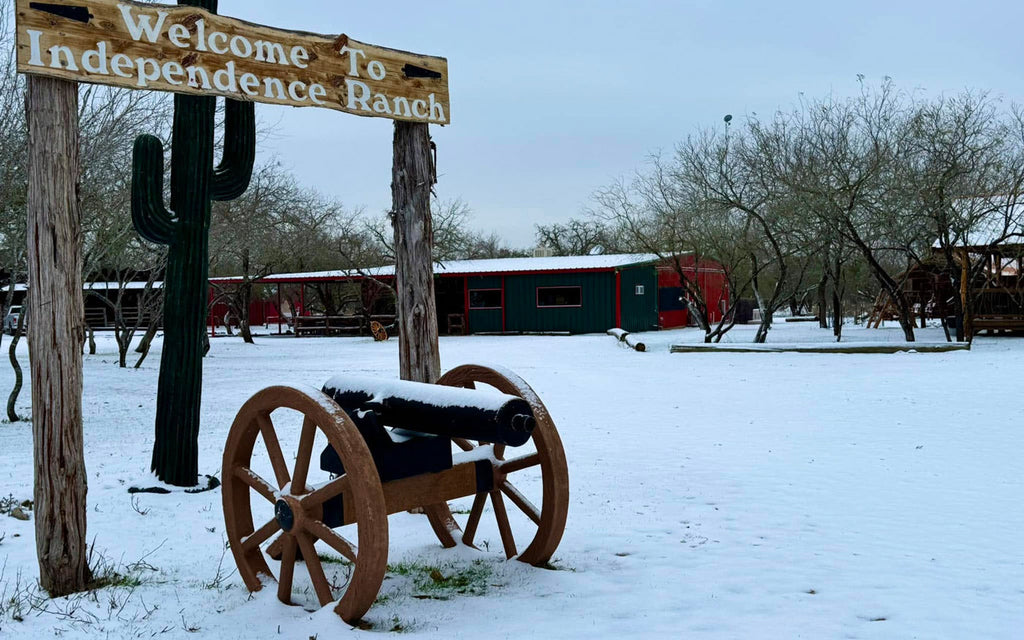
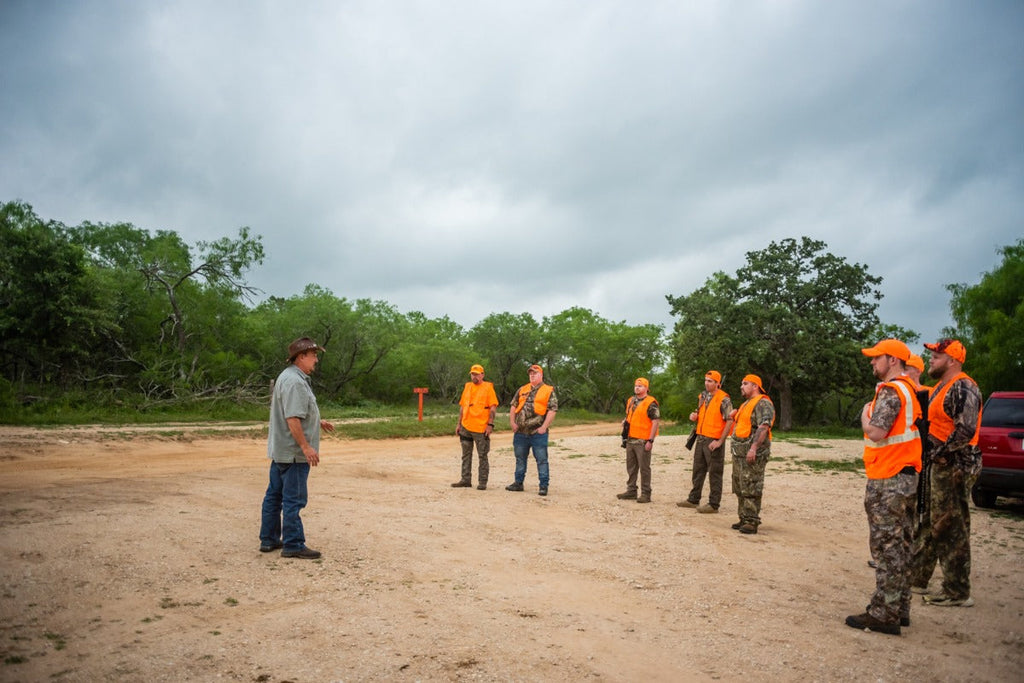
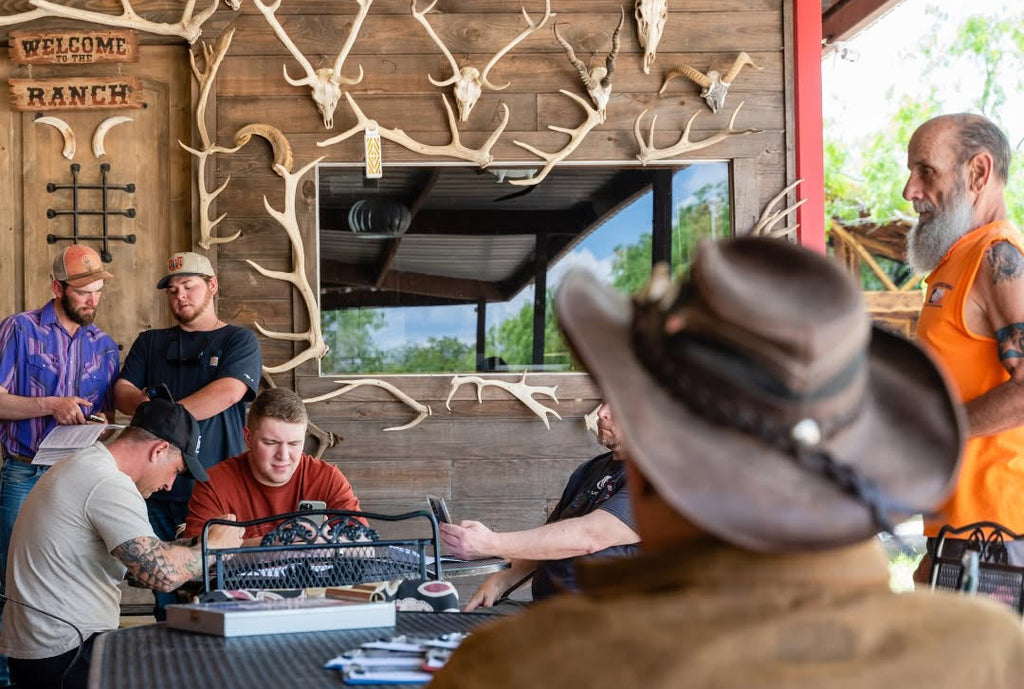
For hunters who would prefer to rely on local knowledge rather than figure everything out on their own, Independence Ranch offers a variety of terrain and provides guided hunts, where the guides are already familiar with how the land and conditions affect boar movement on a daily basis. It's a simple way to enjoy boar hunts without facing any problems as a first-time hunter.
Related post
RECENT POSTS