Planning a Guided Wild Boar Hunt: What to Expect From Start to Finish
If this is your first time going on a guided hunt, it's quite difficult to know what your day is going to look like. These hunts have a rhythm that goes beyond the gear lists and strategies you've probably already read about. Being aware of this rhythm in advance can make the entire experience much less daunting.
Even though every property and every day in the field is slightly different, a well-planned wild boar hunt follows a fairly consistent flow from beginning to end. The general structure usually remains the same, but the specifics change depending on the terrain, the weather, and your hunting companions. This is a step-by-step illustration of that flow.
Arrival and Orientation
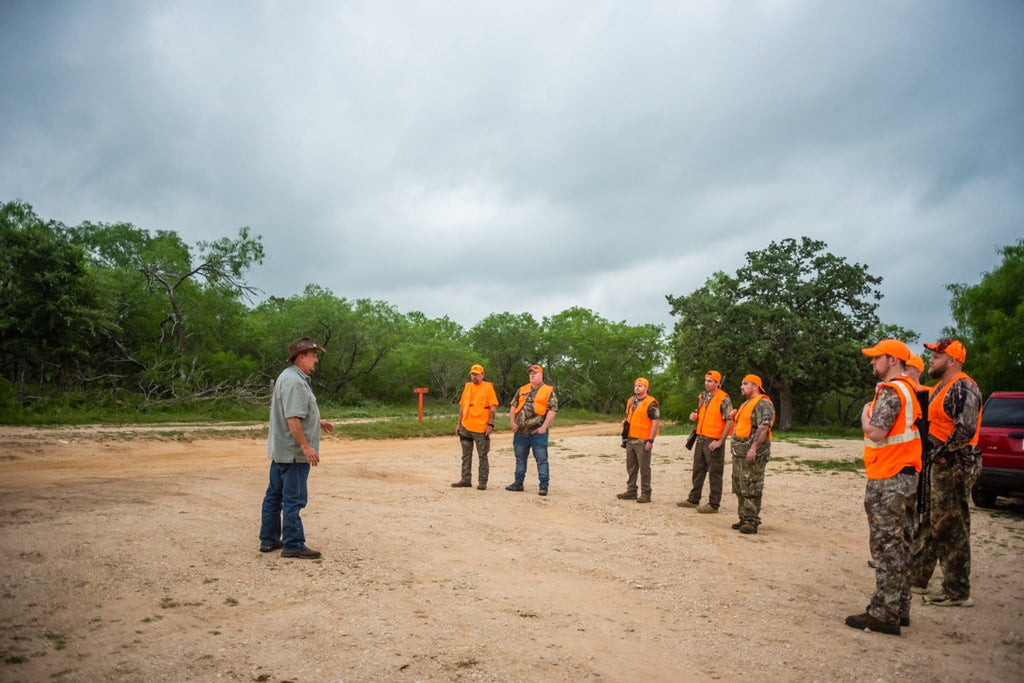
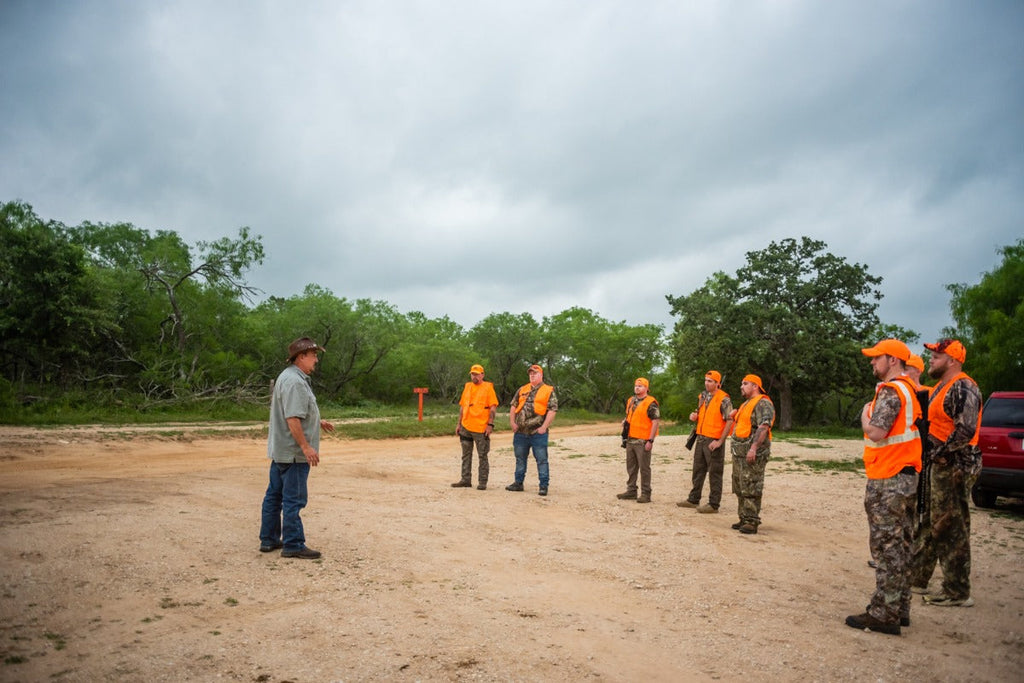
The majority of guided hunts begin long before you see any animals. Expect a brief orientation upon arrival covering the property's layout, safety standards, and a general plan for the day based on current circumstances.
Your guide will ask you about your experience level and comfort with different hunting setups. This conversation matters more than it may seem because it helps the guide to arrange the setup and plan the day according to your needs, for example, how far you’ll be walking.
Beginners want to skip this part without knowing its importance, but most guides take their time. A slower start usually means a slower day.
What Does a Typical Day of Hunting Actually Involve?
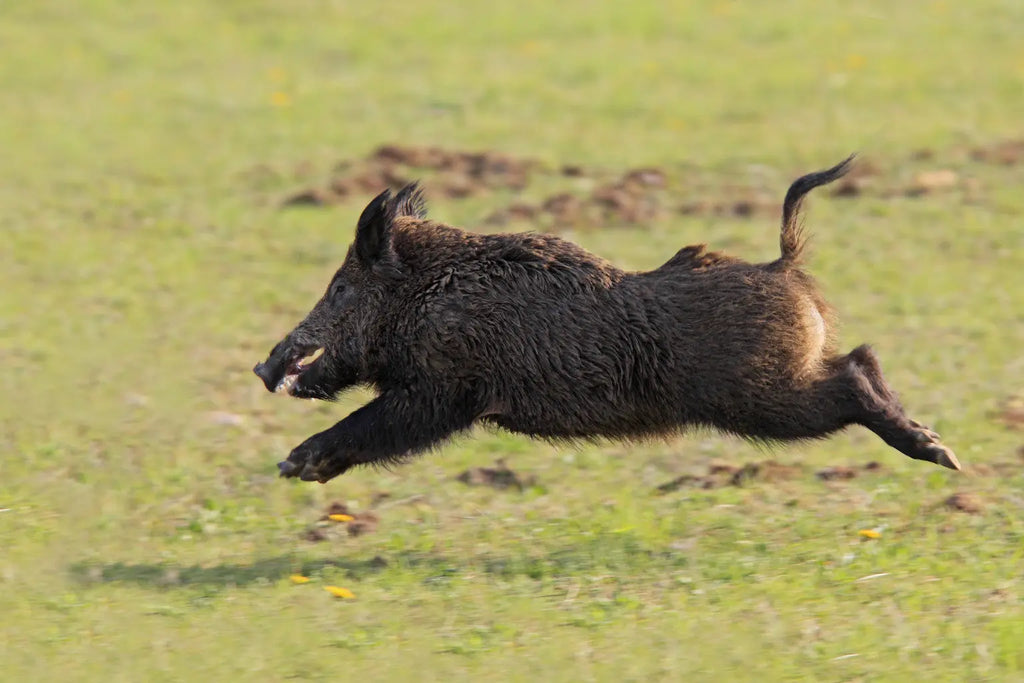
Most of the day is spent waiting rather than moving; that’s the part beginners tend to underestimate. Depending on the property and the time of the day, wild boar hunts are mainly about checking for fresh tracks, sitting quietly and waiting for the boar to show up.
A typical day tends to include:
-
Sitting near a feeder or water source in the morning or evening
-
A midday break to eat, rest and to plan things with your guide.
-
Small changes to the plan based on the environment
-
One last push during the most active part of the day
Guides always stay alert because things change fast. A morning plan can look totally different by afternoon if the wind shifts or new tracks show up somewhere unexpected.
Why Does Having a Guide Change the Experience So Much?
A guide does more than just take you to hunt hogs. They read the land as they go, adjusting the hunting setting according to the wind and weather. They also tell you which part of the property is worth checking that day and which ones to skip.
That kind of knowledge reflects in small but useful ways:
-
Setting up in the right spot based on wind, without you having to think about it
-
Spotting fresh tracks faster than an untrained eye would
-
Giving you a realistic idea of what to expect, so the day doesn’t feel like guesswork
-
Sharing safety tips based on that specific property, not just general advice
It's the difference between hunting a piece of land and hunting it with someone who already knows it well. That kind of knowledge takes years to build on your own, which is exactly why so many beginner hunters bring in a guide instead of learning it the hard way.
Questions First-timers Often Ask
A few questions come up before almost every guided hunt, no matter how experienced someone is:
-
Do I need my own gear? Most outfitters provide or recommend gear that you will need while hunting.
-
What if we don’t see anything? Sometimes you may not find any hogs in some stretches. A good guide treats that as useful information rather than a failed hunt.
-
How physical is it? It depends on the property and plan, but guides usually adjust the day to match your comfort level.
Knowing the answers ahead of time makes a first trip feel a lot less uncertain.
After the Hunt: What Happens Next
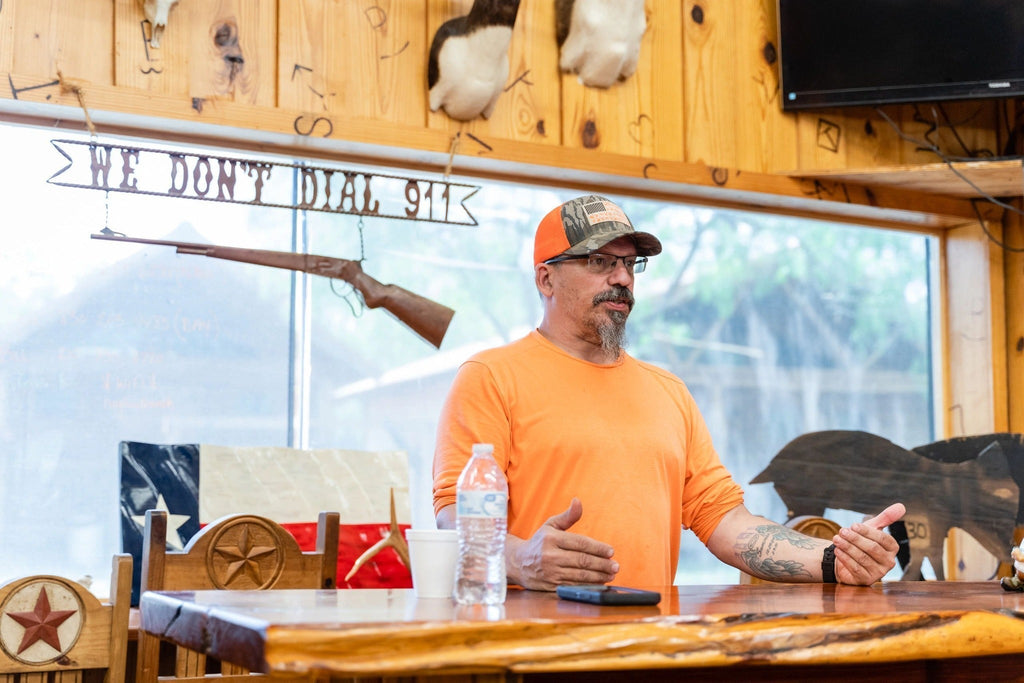
Whether the hunt goes well or not, there’s usually time built in to wind down. That often means a quick chat with your guide, help with field dressing if needed, and a look back at what worked and what didn’t.
Quiet days happen, and a good guide won’t treat them as a letdown; they’ll use them to adjust the plan for next time. That back-and-forth is a big part of why repeat hunts on the same land tend to be better over time.
Choose a Batter Ranch
A guided hunt is more than just the moment you spot an animal. It’s the orientation, the waiting, the small adjustments through the day, and the conversation afterward; all of it shapes the experience. Knowing that ahead of time makes a first trip feel a lot more manageable.
Guided boar hunts tend to go smoothest when hunters show up expecting a steady pace rather than constant action.
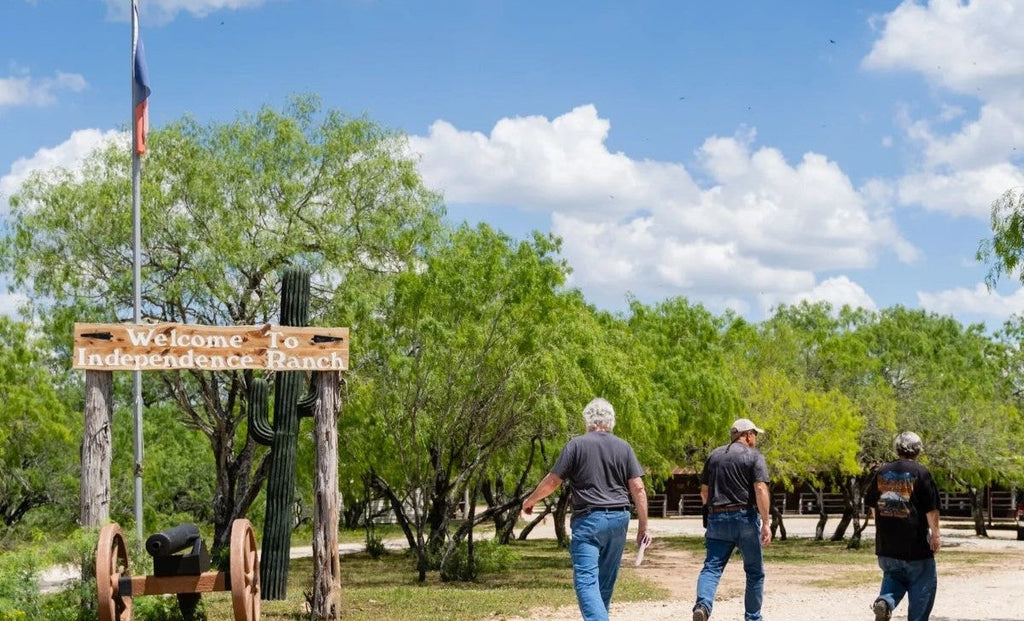
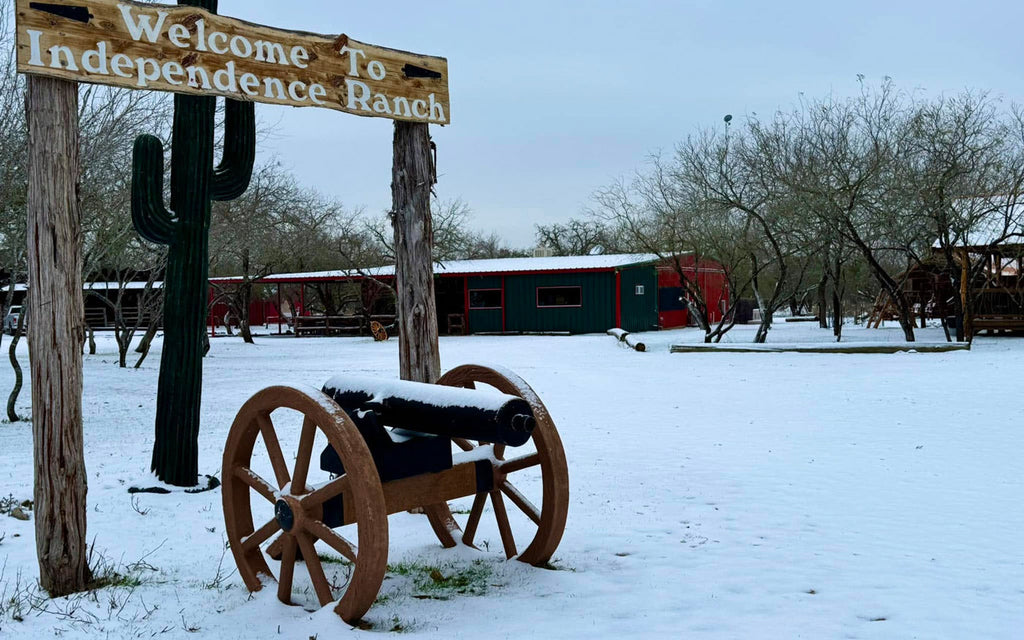
Ready to see what a day like this actually looks like? Independence Ranch Runs guided hunts built around this same flow, orientation, flexible planning throughout the day, and guides who know the land well enough to make the most of whatever the day brings. Reach out to plan your trip.
Related post
RECENT POSTS