Hog Hunting Tours in East Texas: A Different Kind of Adventure
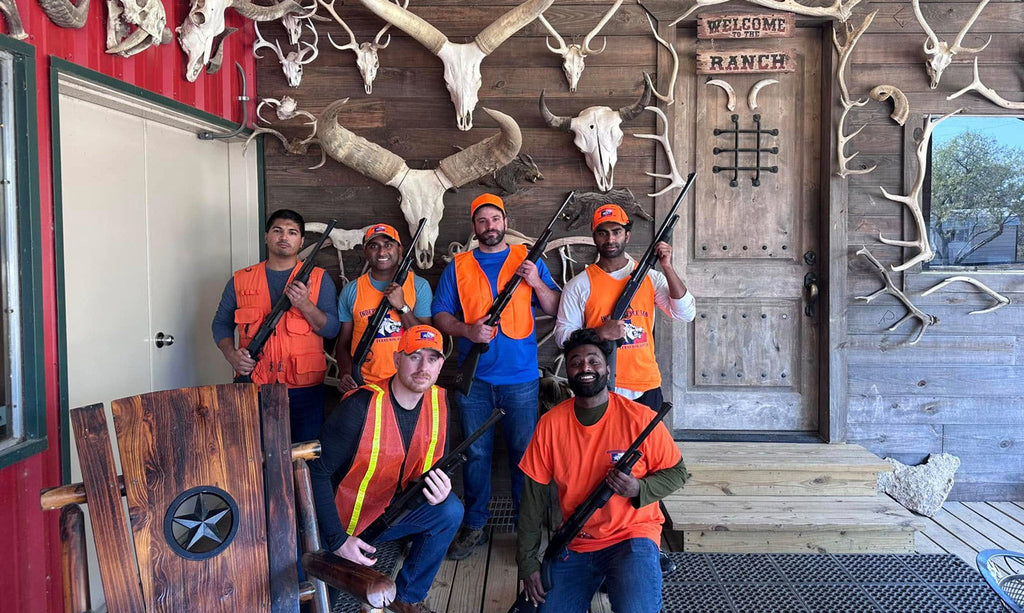
One type of hunt isn't really about silence or solitude. It's about arriving with a few other people, dividing the day between conversations and seats, and leaving with as many stories as outcomes. Many people are unaware of this aspect of the sport.
Hunting hogs doesn't have to be a solo, uncomplicated activity. For many hunters, the more social, tour-style format is where the sport truly shines. This is especially true in East Texas, where thick undergrowth and dense pine forests create an entirely different atmosphere from the open plains most people imagine.
The Social Side of a Guided Hunt
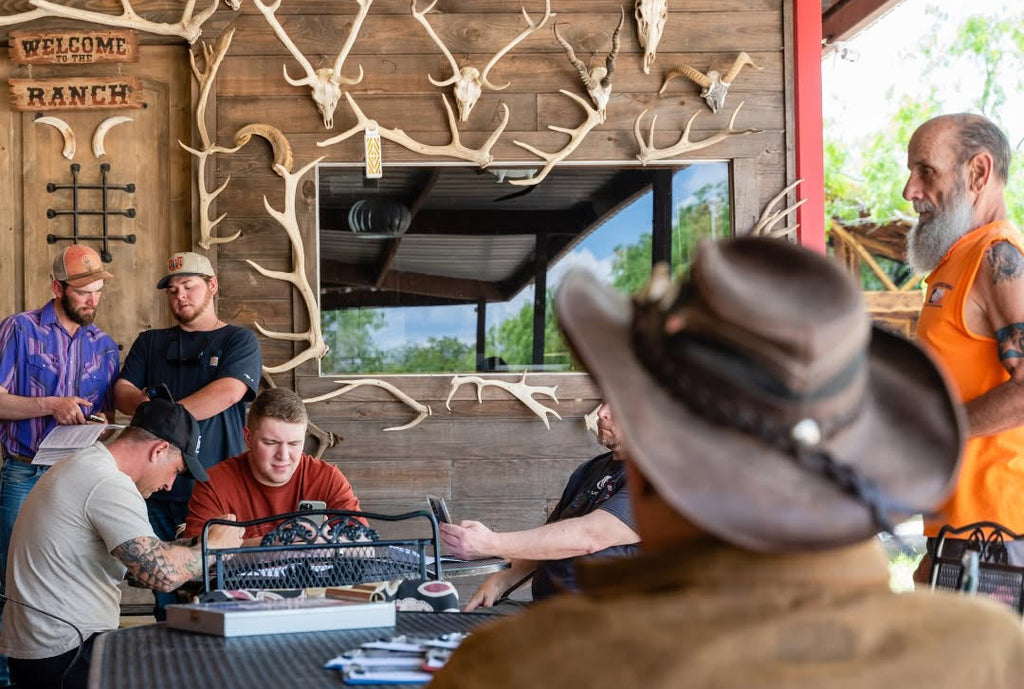
For a trip to be worthwhile, it doesn't always have to be quiet and solitary. On the other hand, a tour-style hunt tends to be more like an outing than a solitary quest, with shared downtime, group meals, and storytelling between sits.
A particular type of hunter is typically drawn to this format:
-
Groups of friends seeking a common outdoor experience
-
Younger or less experienced hunters are introduced to the sport by their families
-
Clubs or coworkers organizing a trip together
-
Anyone who values companionship as much as the actual hunt
The actual hunting remains largely unchanged. The environment around it changes throughout the day, with less loneliness and more shared energy.
What Makes a Hog-Hunting Tour Different from a Solo Trip?
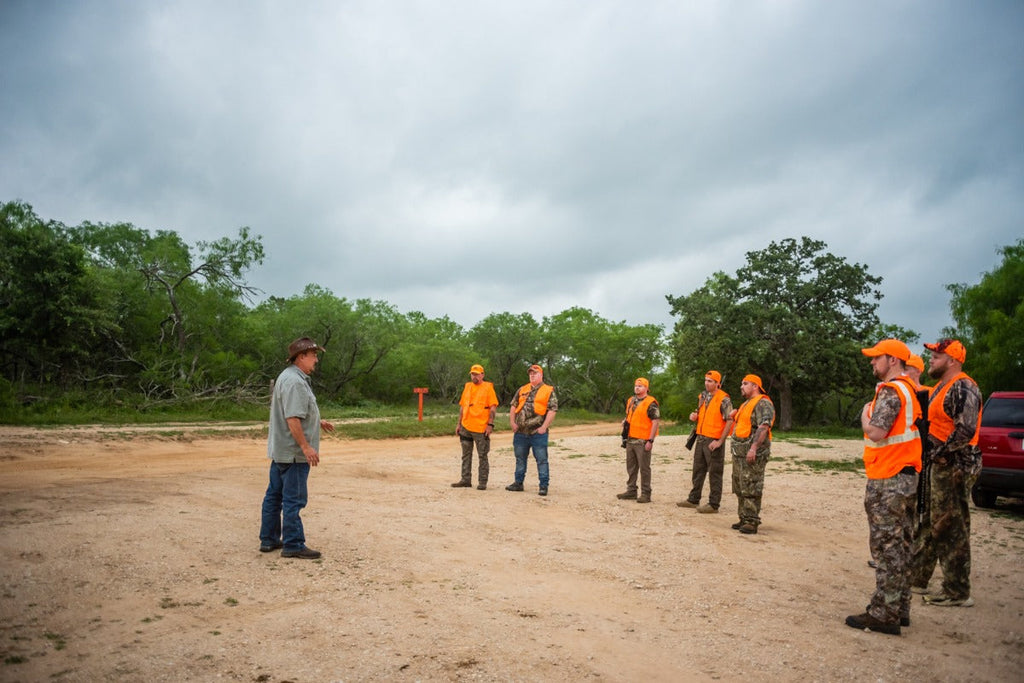
The rhythm of the day makes all the difference, not the terrain or the technique. Typically, hog hunting tours involve groups traveling between locations in unison, switching between various setups, and regrouping in between each stretch.
This format is unique in a few ways:
-
A guide is often shared among several hunters, who alternate turns in active positions.
-
There are typically longer, more social breaks between sites.
-
To accommodate everyone in the group, the pace slows down somewhat.
-
Younger hunters can observe and pick up tips from more experienced hunters in real time.
Traveling alone fosters independence and concentration. For many people, the trade-off makes the day more enjoyable rather than less. Tours reward patience with a group and a willingness to share the spotlight.
Stepping Into East Texas Terrain
The terrain completely alters the hunting experience, and East Texas is very different from the open pasture or brush country found in other parts of the state. Hogs take full advantage of the cover provided by the thick pine forest, dense underbrush, and increased rainfall in this area.
This type of terrain presents a unique set of factors to take into account:
-
Shorter sightlines, which alter the required proximity
-
Ground moisture that is more steady and lasts longer
-
Hogs use heavier cover to remain concealed well into the day.
-
A distinctly different visual experience than what most people anticipate from open plains
This change alone can make a trip to East Texas seem like a completely different sport for hunters accustomed to wide-open terrain.
Why Does East Texas Feel So Different From the Rest of the State?
The most important factor is rainfall. It is much more prevalent in East Texas than the rest of the state, and throughout the year, this moisture affects everything from hog behaviour to plant growth. More hiding spots, more reliable food sources, and less dependence on feeder-driven patterns typical elsewhere are all benefits of thicker vegetation.
There are several obvious ways that this climate difference manifests itself:
-
Hogs are kept closer to bedding areas for extended periods of time by denser cover.
-
Unlike in drier areas, water isn't a limiting factor.
-
Without a guide who is familiar with the area, movement patterns may seem less predictable.
-
Not just the tactics, but the entire visual experience of the hunt is altered by the forested setting.
It's more about East Texas providing something genuinely different from what most first-timers imagine when they think of Texas hunting land than it is about one area being superior to another.
What a Tour Day Actually Looks Like
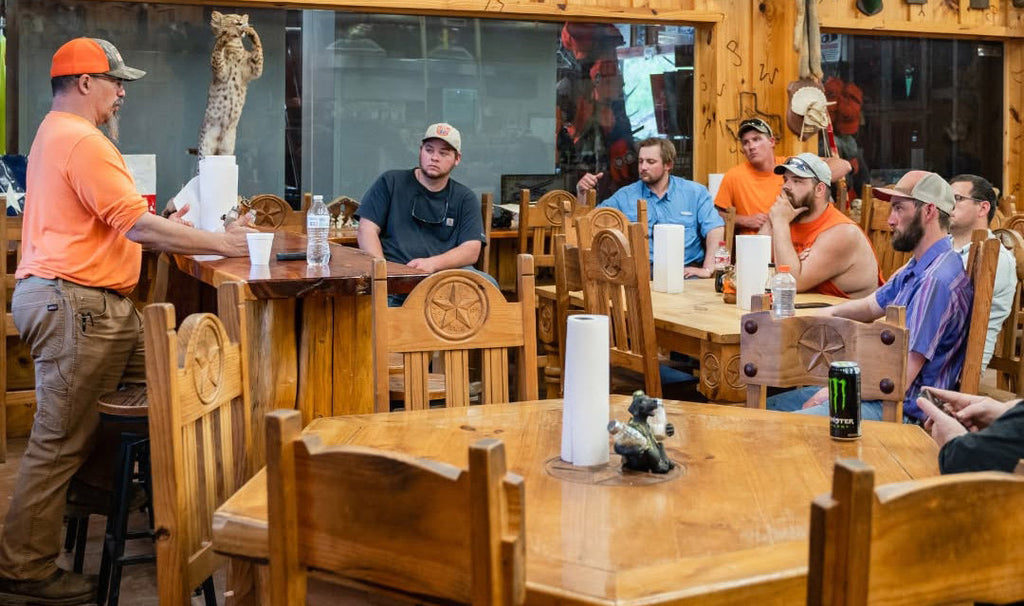
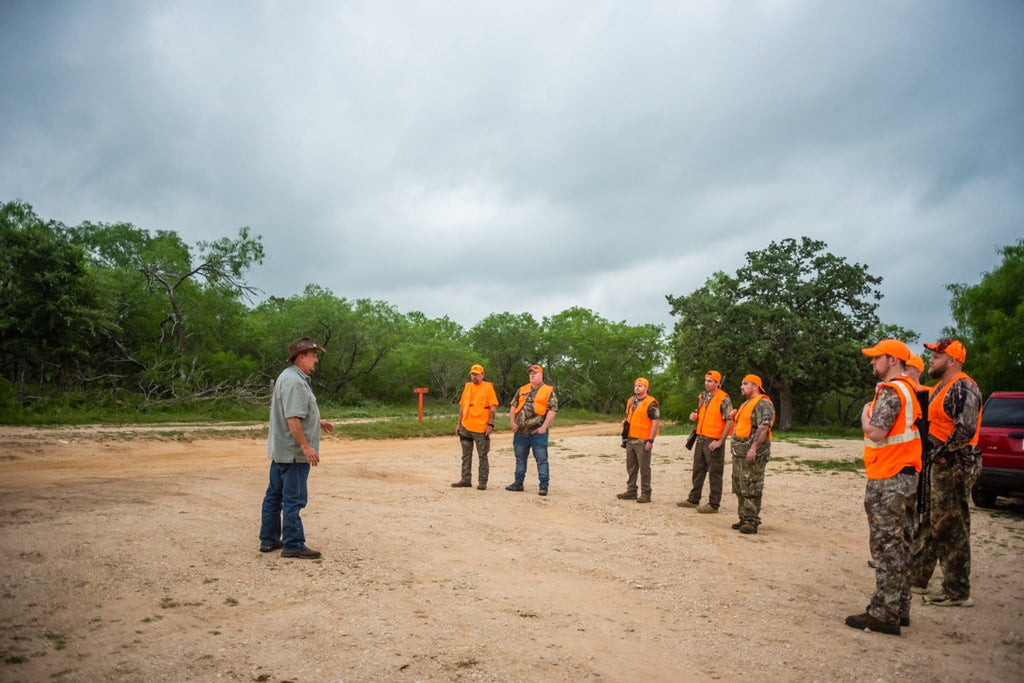
Compared to a solo trip, a typical tour day proceeds at a slower, more leisurely pace. A group briefing is typically held in the morning, after which time is rotated among the property's active locations. A longer break, including food, conversation, and the opportunity to compare notes with other hunters in the group, usually occurs at noon.
As the day goes on, guides typically move the group to the areas with the most activity, making last-minute adjustments based on what has been observed thus far. Evenings often end with a final push during the busiest times, and once everyone has regrouped, there is a shared debriefing.
Who These Trips Fit Best
Not everyone is suited for tour-style hunts, and that's okay. They typically function best for:
-
Groups that prefer a shared experience to a solitary one
-
Younger hunters who gain from observing others before taking their turn
-
Anyone who views the trip as both a hunt and a getaway
-
Hunters interested in learning more about the topography of East Texas without committing to a completely independent trip
A completely different format may be preferred by hunters seeking a quiet, concentrated solo sit, and that's also a perfectly valid decision.
Worth the Money
East Texas hog hunting offers something truly unique compared with the rest of the state, from the social pace of a tour to the dense, forested nature of the land itself. It's more about the overall mood of the day than it is about pursuing a specific result.
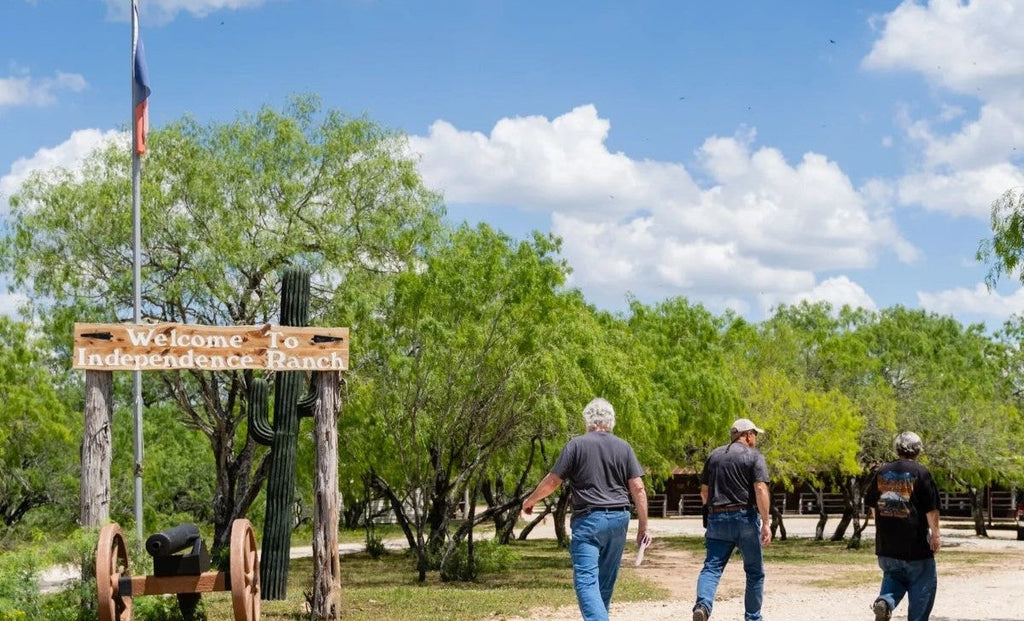
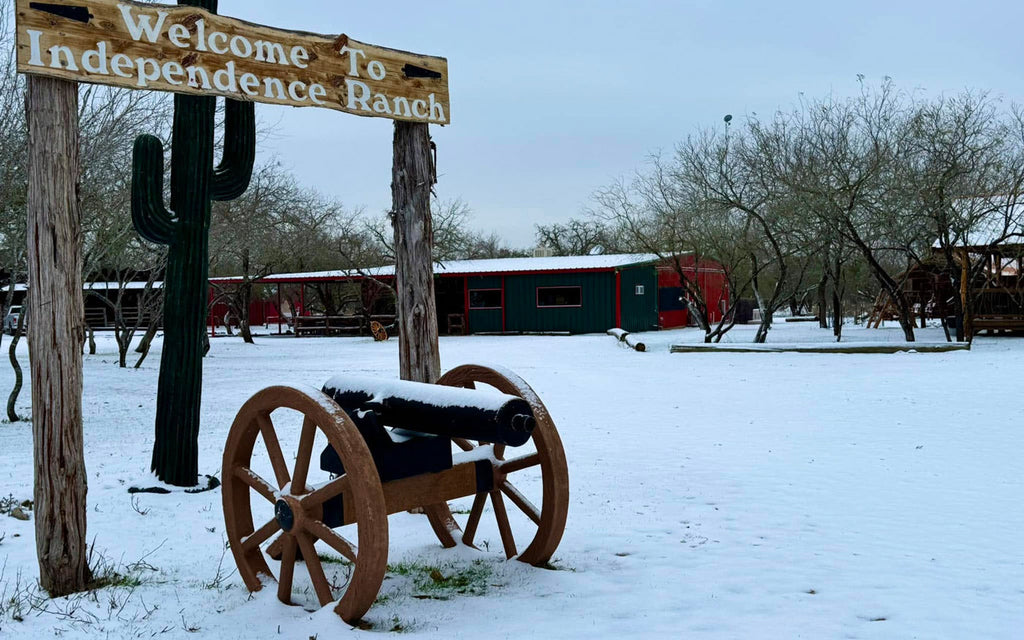
Independence Ranch has worked with many groups seeking precisely this kind of experience: a relaxed, shared hunt through terrain that feels different from the open country most people anticipate, with guides who know how to keep the group's pace and work the terrain in their favor.
Related post
RECENT POSTS