Texas Hog Hunting Ranches: What to Look for in North Texas Land
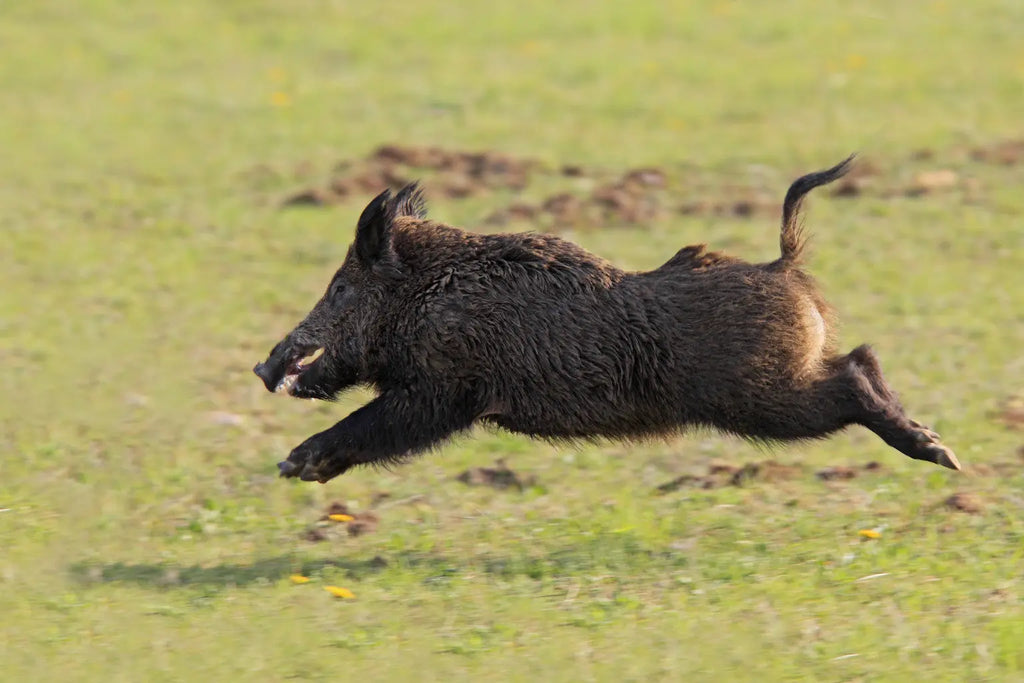
Every hunting area is built differently, and once you're out in the field, the gap shows up fast. Some properties have been thoughtfully set up, with feeders strategically positioned, land thoroughly explored, and guides familiar with the ground. Some are merely fenced areas with a few wandering hogs.
If you’re weighing your options among Texas hog hunting ranches, the differences matter more than they might seem at first glance. A property’s setup, size, and support on the ground can shape how your entire trip goes, long before you ever spot an animal.
What Makes a Ranch Worth Choosing
There is more to a hunting property than just hog hunt. Strong ranches are typically distinguished from average ones by a few key factors:
-
How well the land is studied and managed over time
-
Whether water sources and feeders are positioned thoughtfully
-
How well-versed the guides are in hog patterns on that particular ground
-
Whether the setup is appropriate for your level of expertise, rather than just that of an expert hunter
If daily maintenance isn't provided, a ranch may appear fantastic on paper but fail in reality. It is typically difficult to judge from the website alone.
What Should You Look for in a Property Situated in North Texas?
North Texas is made up of a diverse range of terrain, including creek country, brush, and rolling pasture, all within a short drive of one another. For hunters who don't want to travel far south for a good trip, North Texas pig hunting has become a popular choice because of this combination.
There are a few things to consider in this area of the state:
-
How the property manages areas that are both open and heavily forested
-
Access to water, as hogs remain near it throughout the year
-
How recently has the area been scouted or walked?
-
Does the ranch provide daytime and nighttime setups?
It's not always easier to hunt on land near a town or major road; occasionally, the busier, easier-to-reach areas experience increased pressure, which causes hogs to change their behavior.
How Does North Texas Land Compare to Other Parts of the State?
Hunting areas can differ greatly from one area to the next because Texas is very large. South Texas is known for its wide-open brush country and generally drier climate. In certain places, the Hill Country is steep and rocky. North Texas is in the middle, with mixed terrain that alternates between thicker cover and open fields on the same piece of land.
A hunter usually benefits from that combination:
-
Reduced travel time for residents living close to Dallas-Fort Worth
-
An expanded variety of hunting techniques on a single plot of land that is suitable for both novice and expert hunters
-
Weather that is suitable for a larger portion of the year
No region is better across the board; it comes down to what kind of hunt you’re after and how far you’re willing to drive.
Land Size, Hog Numbers, and Access
In terms of hunting land, larger isn't always preferable. A much larger property that is inspected or maintained may not perform as well as a smaller, well-managed property with a healthy hog population.
Before making a reservation, consider the following:
-
How many acres are not just fenced but can be hunted?
-
Whether the area sustains a consistent hog population throughout the year
-
How many hunters are usually present at once on the property
-
Whether trails and access roads are kept sufficiently clear for easy mobility
A property that is honest about these specifics is typically well-managed.
Guides and Support on the Ground
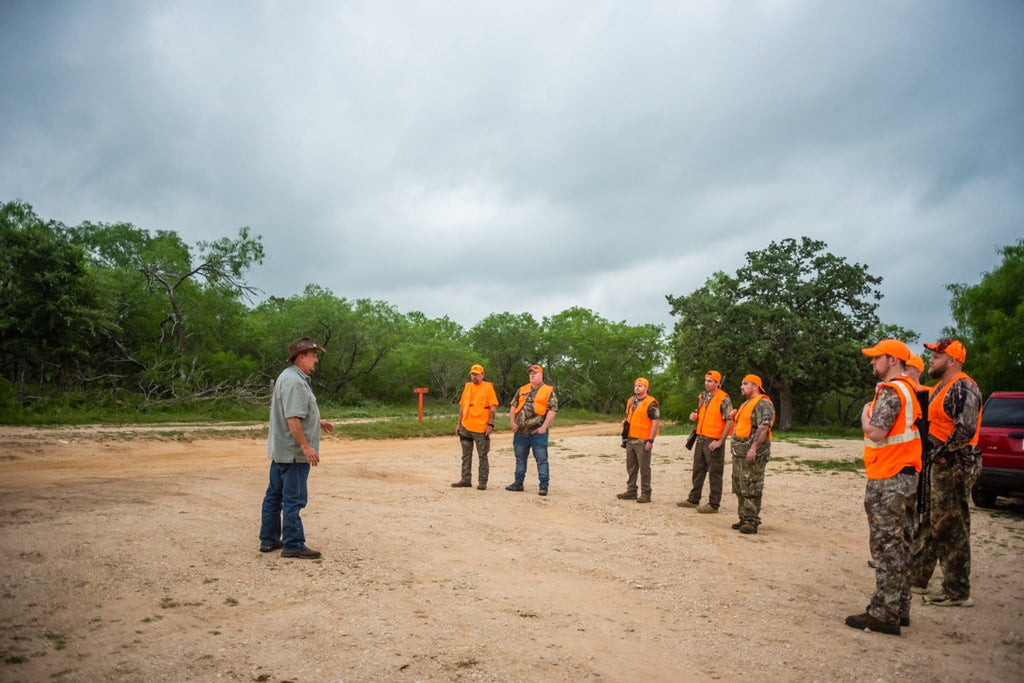
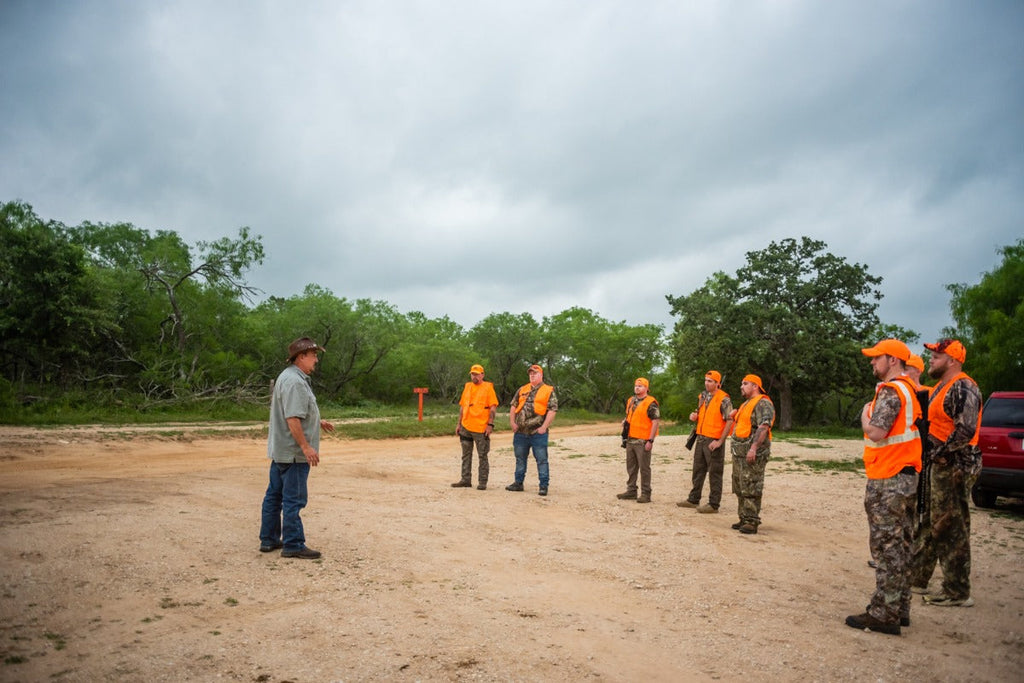
Only half of the story is told by land. The other half depends on the person helping you. When it comes to tracking movement, reading the wind, and modifying plans as the day progresses, a guide familiar with a property can save hours of guesswork.
Effective ground support typically appears as:
-
Guides who are on the land on a regular basis, not just on scheduled hunts
-
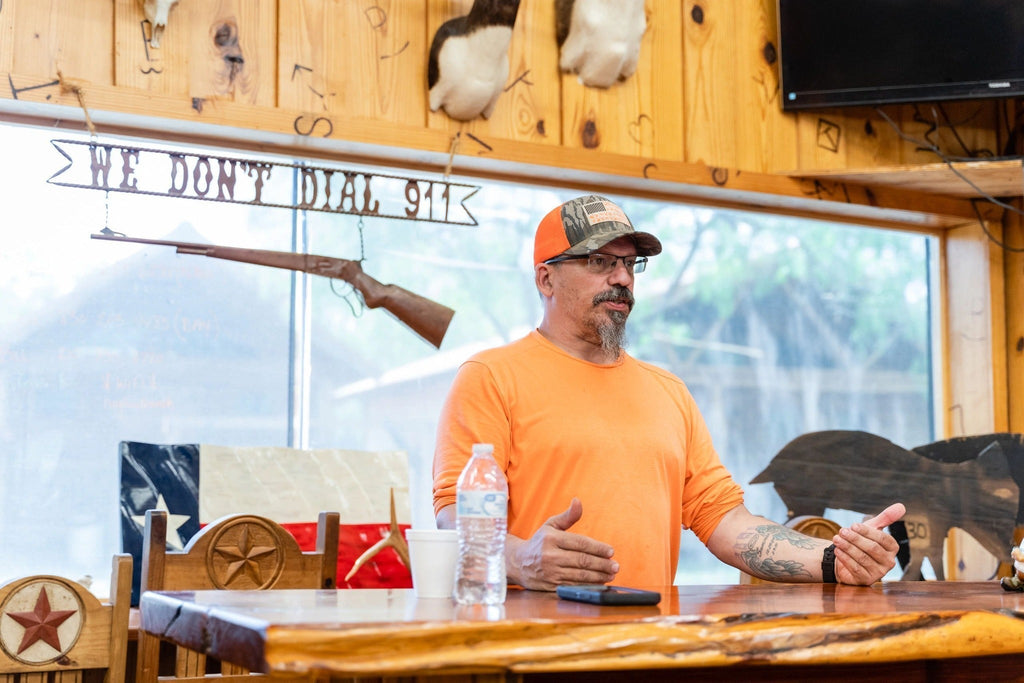
Before the trip begins, there should be clear communication about what to expect.
-
A readiness to modify plans in the event that circumstances change at noon
-
Simple responses regarding equipment, security, and what the property can truly provide
This frequently makes the difference between an organized hunt and one where you feel like you're learning as you go.
Looking for a Suitable Ranch?
Selecting the appropriate property is just as important as choosing the appropriate equipment or the appropriate season. The actual outcome of a hunt depends on a number of factors, including the terrain, the number of hogs, the land setup, and the guides.
For hunters considering Northern Texas hog hunts, the area provides a good compromise, enough terrain variation to keep things interesting without requiring a lengthy commute.
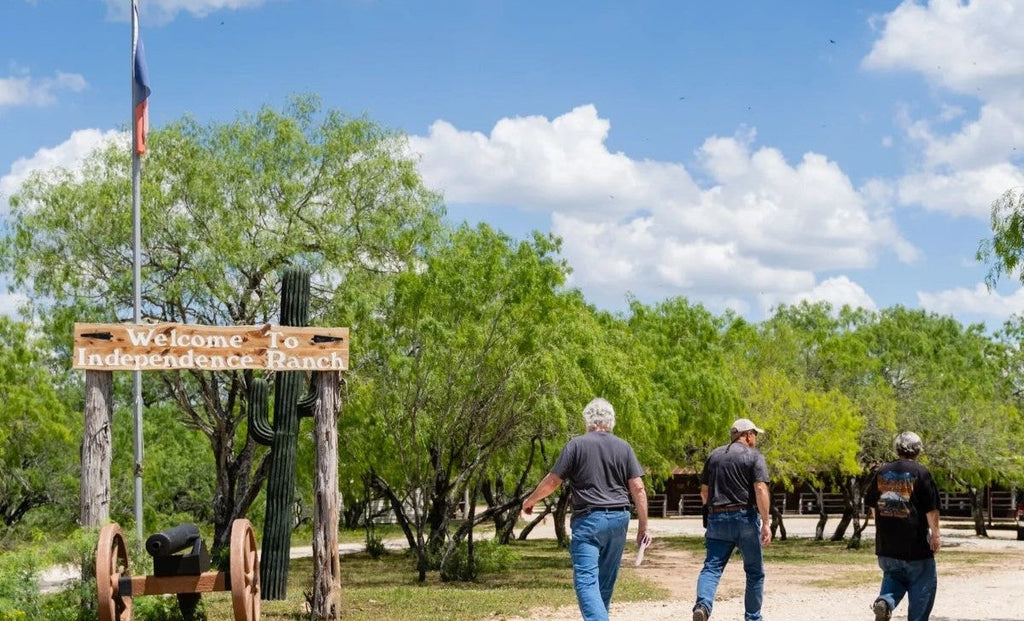
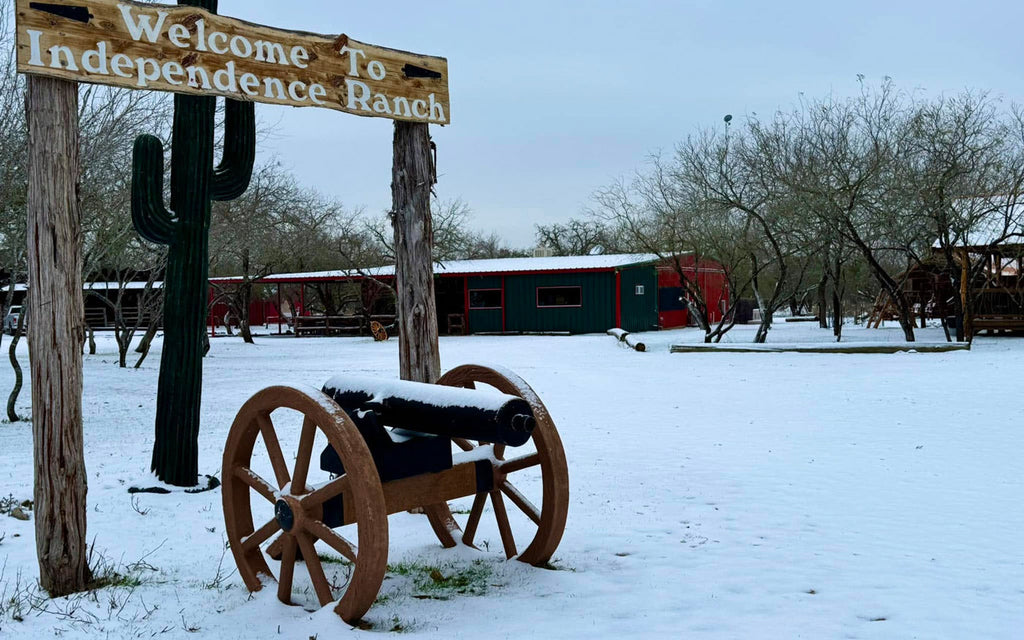
Located in that region of North Texas, Independence Ranch features a mix of open pasture and thicker brush, as well as guides who actually spend time on the property in between hunts. It's the type of setup designed for hunters who want land that isn't just fenced off and abandoned but is genuinely cared for.
Related post
RECENT POSTS