West Texas Hog Hunting: How Dry Terrain Changes Strategy
The majority of Texas doesn't look or feel like West Texas. Canyons cut through otherwise flat horizons, mesquite gives way to open desert scrub, and water becomes a defining characteristic of the landscape rather than something to be taken for granted. This difference is not merely scenic; it significantly alters how hogs behave and how hunters must approach the land, including how they position themselves and perceive the topography.
It's important for anyone new to West Texas hog hunting to know that tactics designed for rolling pastureland or brush country in other parts of the state may not always work well here.
Why Does Water Matter So Much Here?
In areas with higher rainfall, hogs are afforded the freedom of spreading out on their own because of the availability of water and forage.
-
West Texas is an area where the water factor makes everything quite different.
-
The presence of water becomes critical, and hogs will congregate around any source of water that may be available, particularly when it is dry
-
The presence of stock tanks, springs, and creek bottoms becomes predictable destinations, not one destination among others
-
Behavior will revolve around daily or nightly trips to get water
This need for water is one of the main distinctions in hunting in West Texas versus those areas that have regular rainfall.
Adapting Your Approach to Thin Cover
Brush country necessitates an entirely different type of hunting approach as opposed to the open spaces that characterize most of West Texas.
-
It becomes possible for hunters to adopt the spot-and-stalk method because of the sightlines that give them ample time to spot the hogs before getting closer.
-
Concealing oneself becomes more challenging because nature does not offer adequate cover other than the canyons or low scrub.
-
It is important to be aware of the wind direction, as it is easier for the hogs to spot movements or pick up scent in open spaces.
-
The use of topography such as ridgelines and canyons, becomes more practical in this kind of terrain.
Those who have hunted from blinds in dense vegetation will have to change their thinking.
What Should You Expect From West Texas Ranches?
Large, rugged, and shaped by the difficulties of managing land in an arid climate, properties in this region of the state frequently mirror the landscape itself.
When comparing West Texas pig hunting ranches, hunters usually notice a few common characteristics: terrain that varies from steep canyon country to flat desert basin within a single property, careful water management as part of land stewardship, and larger overall acreage to account for lower vegetation density.
Because of this diversity, two ranches in the same general area may provide distinctly different hunting experiences based on the topography of each ranch.
Does Time of Day Matter More Here?
The influence of heat is far greater on hog movement than at any other time of the year in West Texas compared to other parts of Texas.
-
Early mornings and late afternoons are usually the best times to plan for activity.
-
The hot midday hours will drive the hogs to wherever there is cover, mostly near sources of water.
-
Nighttime hunting becomes more feasible in this area due to high heat conditions, where daytime movement becomes low.
-
The effect of seasons on the above trend is unpredictable in the area because of variable temperatures.
As a result of the effect of heat on movement, timing the hunt according to the cool periods of the day can make a difference in this area more than in other parts of the state.
How Should You Prepare Differently for This Region?
In West Texas, getting ready for a hunt requires some modifications beyond what might be required elsewhere.
-
Take more water and sunscreen than would normally be needed for hunting in a more temperate region
-
There will be much more walking and watching, particularly with the use of the spot-and-stalk hunting method
-
Take optical equipment that is suitable for long-range scouting, because an open environment calls for early recognition
-
Be prepared for fluctuations in temperature during the day and at night
A little bit of region-specific preparation, even something as basic as packing extra water, goes a long way because hunters who arrive expecting the same conditions as brush country or rolling pastureland elsewhere in Texas frequently find themselves adjusting on the fly.
What Other Wildlife Might You Encounter?
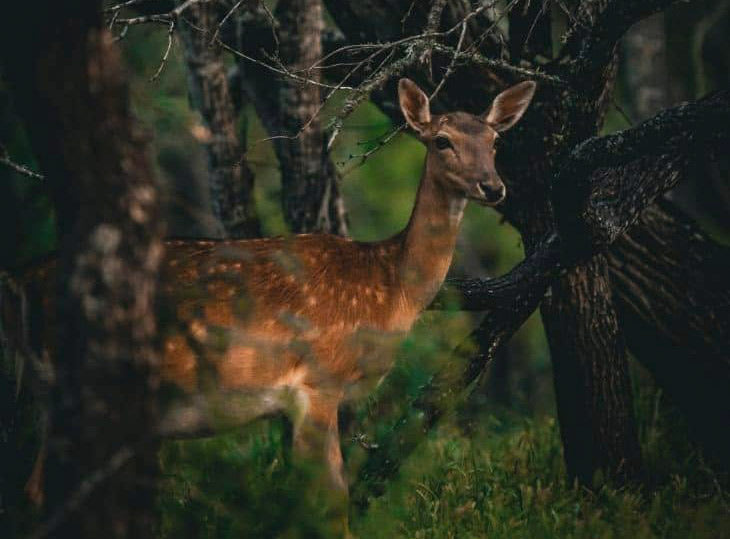
Compared to denser, more populated areas of the state, hunting in this area frequently involves sharing the landscape with a greater variety of wildlife.
-
The mule deer and pronghorns can be found in abundance throughout the open areas.
-
Javelina may come into contact with hog hunters at times due to similar habitat preferences.
-
Raptors and other predatory birds are seen often because of the open view lines.
-
oyotes and other predators are attracted to the same sources of water as the hogs.
Even on a hog-focused trip, this wider wildlife presence adds another dimension to the experience. Hunting in this area feels different from more enclosed, brush-heavy settings elsewhere, in part because you have to pay attention to the larger landscape rather than just the target species.
A region Worth Experiencing on Its Own Terms
Instead of offering a variation on what's found elsewhere in the state, West Texas offers a hunting experience that is completely shaped by its own landscape. Heat, open terrain, and water-driven movement all combine to produce conditions that call for a different kind of patience and strategy.
Hunters visiting Texas hog hunting ranches will have a much more successful and pleasurable trip if they are aware of these regional variations in advance, rather than assuming that the same strategy that works elsewhere will also work here.
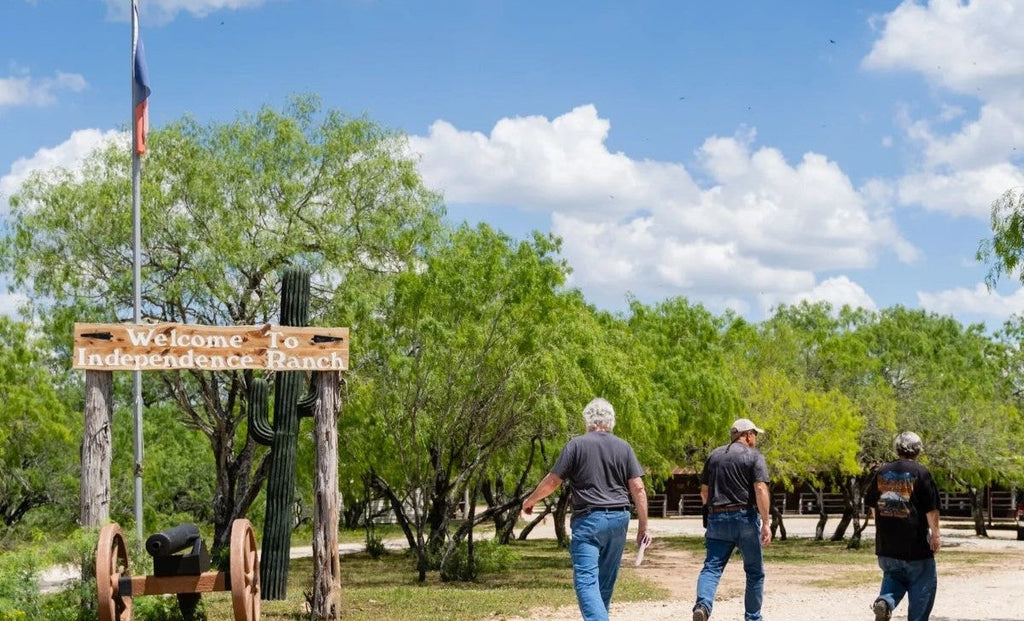
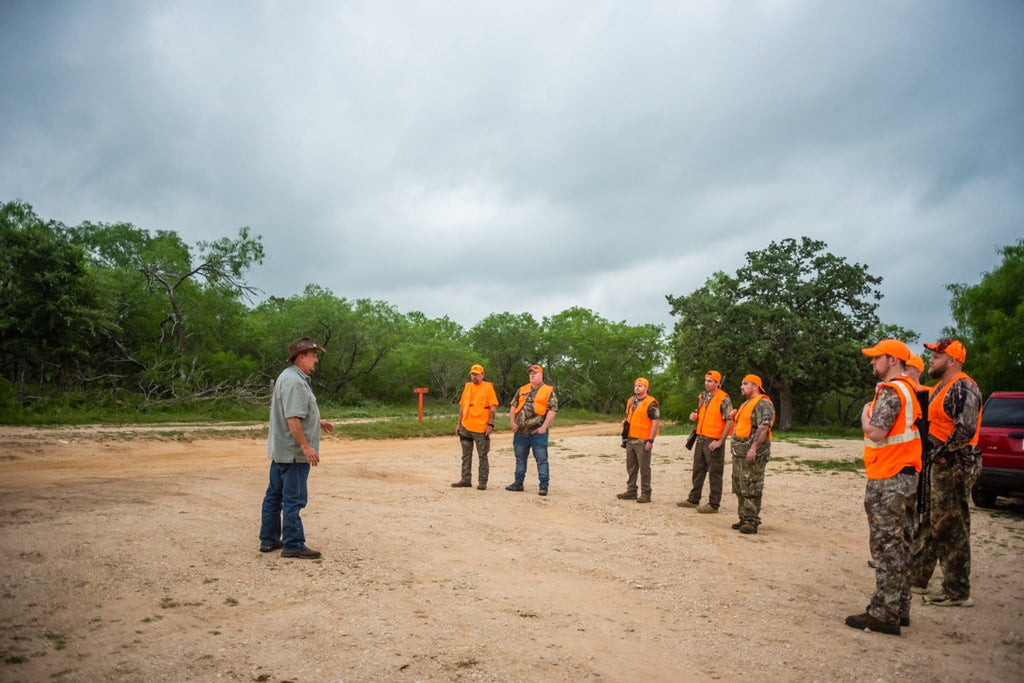
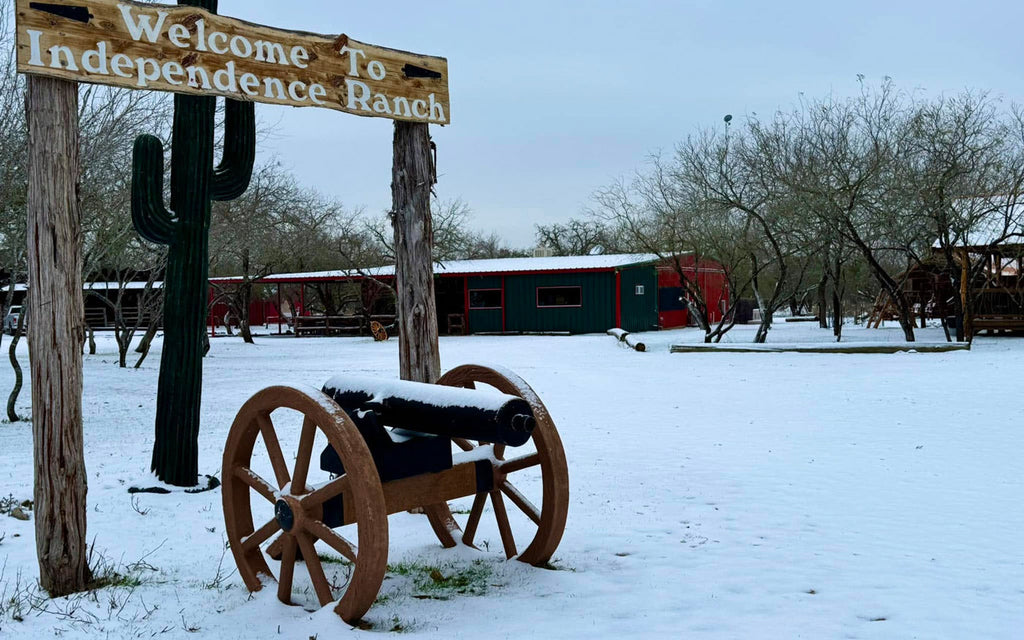
With guides who are knowledgeable about how heat, water, and open land influence each hunt, Independence Ranch provides guided experiences tailored to the unique requirements of West Texas terrain. Examine the available hunts here and begin organizing a trip based on the special circumstances of this area.
Related post
RECENT POSTS