How Texas Wild Hogs Influence Ranch Hunting Schedules and Planning
Introduction
Ranch planning in Texas is closely interlinked with animal movement, land use, and timing. A well-organized wild hog hunt plan depends on understanding game patterns and organizing schedules around them. Ranches that plan carefully create much better experiences by aligning activity times, access routes, and guest flow in time with natural activity, thus avoiding the need to rely on chance to ensure coherence.
Good planning begins long before guests arrive and continues throughout the season.
Table Of Contents
Understanding Movement Patterns on Ranch Land
The crucial criterion in designing ranching schedules is animal movement. Texas wild hogs, for instance, have customary patterns as they revolve around food resources, cover, or terrain. These patterns are observed by the ranch managers over time so that schedules are formed around natural activity rather than hindering it.
This approach helps ensure:
-
Better use of property zones
-
Balanced land access
-
Fewer disruptions during the day
Why Timing Shapes the Experience
Ranch-based pig hunting thrives on timing. Set schedules allow participants to traverse the landscape confidently; they get a good idea of what's likely to happen and where it will take place. Hunters have a steady, well-paced day, seeing that everything seems to function in an orderly pattern with intent.
Good timing supports:
-
Reduced crowding
-
Clear transitions between areas
-
A more relaxed environment
How Ranches Build Daily Schedules
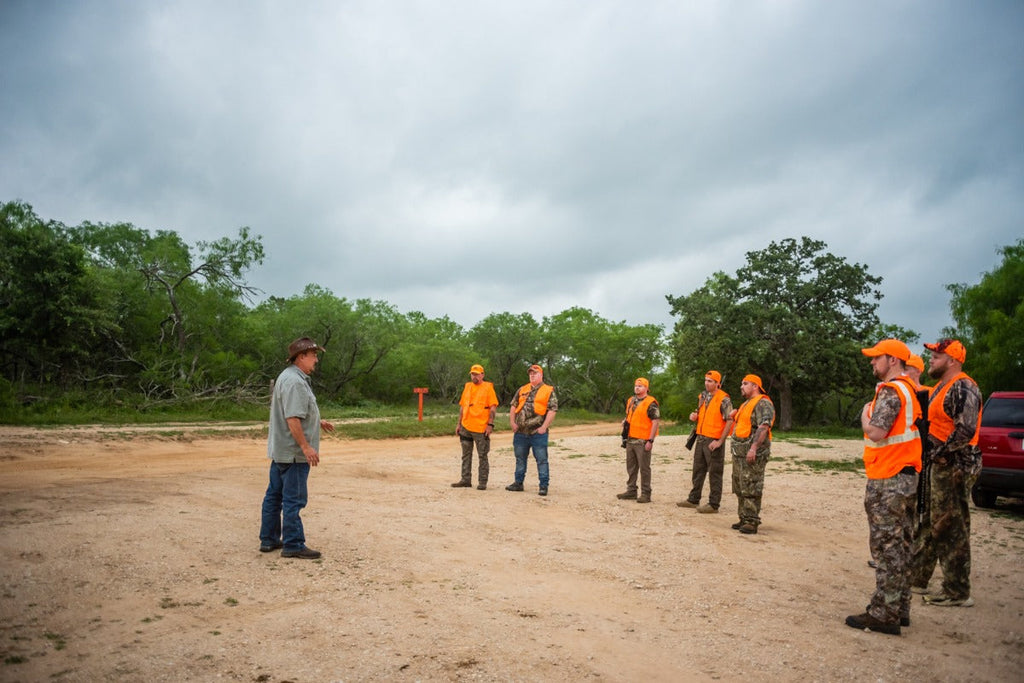
Successful planning lies at the center of a wild boar hunt. Each day is broken down into segments. Resource planning organizes staff arrival times, defines movement periods, and allows rest periods, all in an effort to ensure every inch of the land is secured and guests remain in the zone throughout the experience.
Well-built schedules often include:
-
Defined start and end times
-
Clear movement windows
-
Planned pauses for regrouping
Land Use and Area Rotation
Thoughtful land use is essential when managing Texas wild hogs across large properties. Ranches rotate access areas to prevent overuse and maintain balance. This rotation helps protect terrain while keeping experiences fresh and organized for guests.
Area rotation allows for:
-
Healthier land conditions
-
Predictable access planning
-
Long-term property sustainability
Planning Creates a Calmer Environment
When pig hunting is supported by structure and planning, guests feel more confident navigating the ranch. Clear schedules reduce uncertainty and allow hunters to focus on observation and awareness rather than logistics.
A calm environment leads to:
-
Better focus
-
Clear expectations
-
A smoother overall experience
Why Consistent Planning Matters
Consistency is what distinguishes well-organized ranch excursions from the disorganized ones. A well-planned wild boar hunt lends predictability without compromising the thrill of the chase. Every hunter would surely enjoy that every visit is reliable, supported by a logical system built on extensive knowledge and experience of the property.
Reliable planning encourages:
-
Repeat visits
-
Trust in the process
-
Positive long-term impressions
Structure Benefits Everyone Involved
Engaging responsibly with Texas wild hogs requires that the land, schedules, and guests work together. Properly planned, this roll-off will benefit both the ranch and its guests to some extent, with a system that honours the land while providing an enriching experience.
Experience Thoughtfully Planned Ranch Hunts
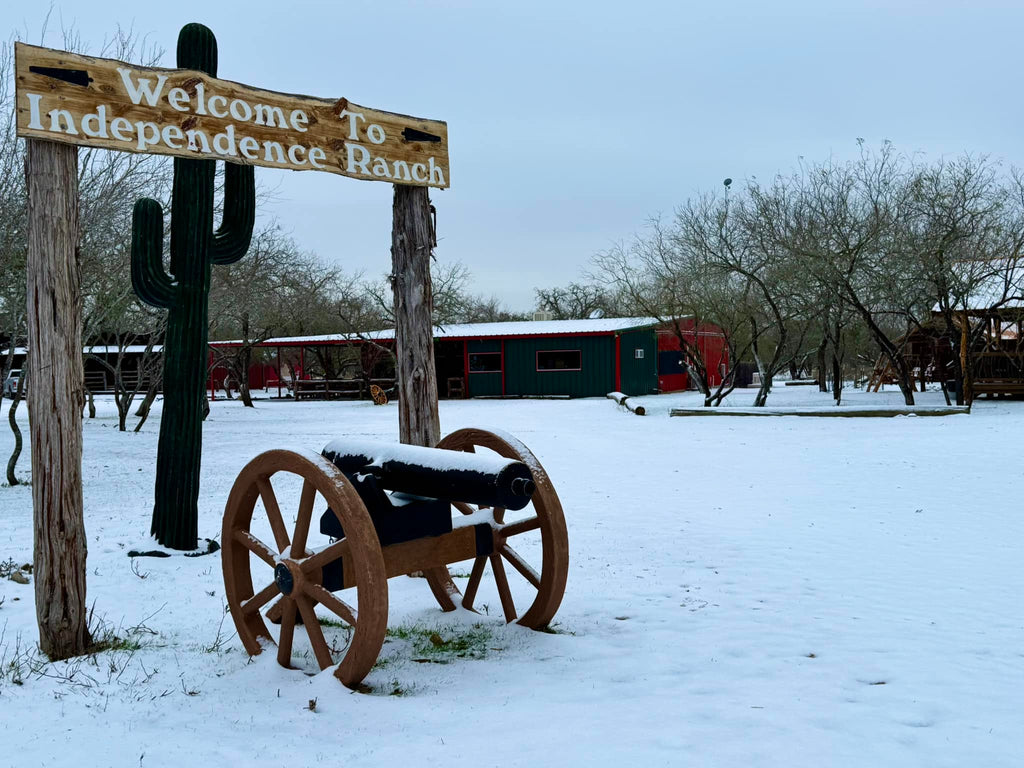
Independence Ranch offers traditional ranch-based wild game hunting experiences, with detailed planning from the very beginning to the end of every hunt for organized hunters, and with respect for time and professional land management.
Related post
RECENT POSTS